
Protect Your Idea: Patents, Trademarks, and Copyrights
An idea can change the world. However, simply having an idea does not mean it is protected. Entrepreneurs, artists, writers, software developers, and inventors have certain legal rights to prevent others from using their original ideas without permission. The three most fundamental of these rights are patents, trademarks, and copyrights.
Although these concepts are often confused with one another, their functions and scopes are quite different. If you have started a business, created a work, or made an invention, this article will serve as a guide for you. We will examine each type of intellectual property in detail: how it is obtained, how long it lasts, what it protects, what it does not protect, and what to pay attention to.
What is Intellectual Property?
Intellectual property is the totality of rights covering original products created by a person’s mental effort. These products can be writings, songs, designs, software, machines, brand names, or business models. Unless properly protected, these intangible assets can be easily copied or stolen.
Governments ensure intellectual property rights through legislation to prevent such work from going unrewarded and to encourage innovation. In Turkey, the main legal regulations in this area are covered by the Industrial Property Law and the Intellectual and Artistic Works Law.
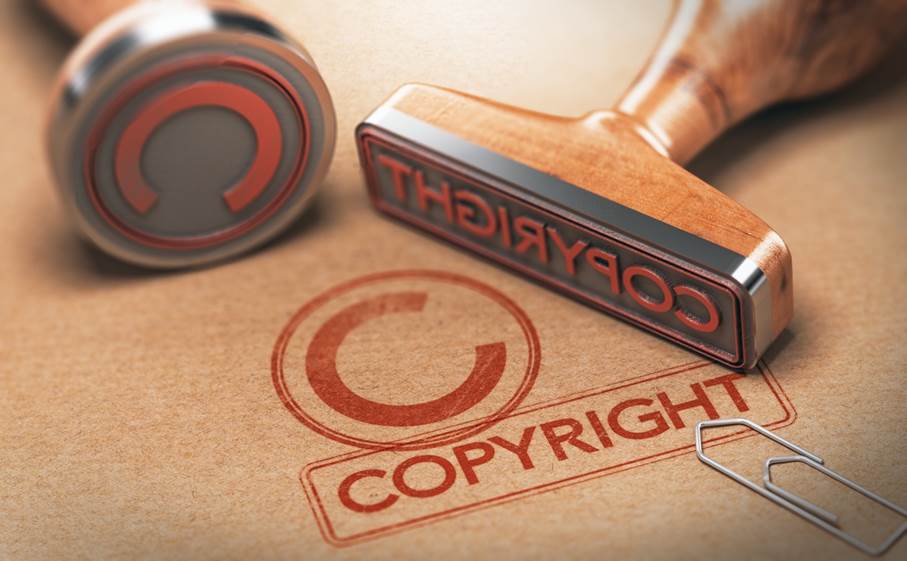
1. Copyright: Protector of Art and Literature
What is Copyright?
Copyright refers to the rights of a person over literary, artistic, or scientific works that they have created. These works can be books, poems, articles, compositions, films, software code, photographs, paintings, or graphic designs.
When and How Does It Arise?
No application is required for copyright. It arises automatically upon creation of the work. However, for ease of proof, notarization, TURKPATENT registration, or a reliable time stamp is recommended.
What Rights Does Copyright Cover?
- Economic rights: These include the rights to reproduce, distribute, publicly perform, rent, and share the work online.
- Moral rights: These include personal rights such as the attribution of the work’s name, the right to prevent alteration, and the right to prevent unauthorized use.
How Long Are Copyrights Protected?
Copyrights are valid for the lifetime of the author and for 70 years after their death. After the expiration of this period, the work becomes public domain.
What Does Copyright Protect and What Does It Not Protect?
• Protected: Poetry, novels, screenplays, music, software, paintings, photographs, graphics, architectural designs.
• Not protected: Ordinary ideas, concepts, mathematical formulas, short slogans, methods, systems.
2. Trademark Registration: Protecting Your Identity
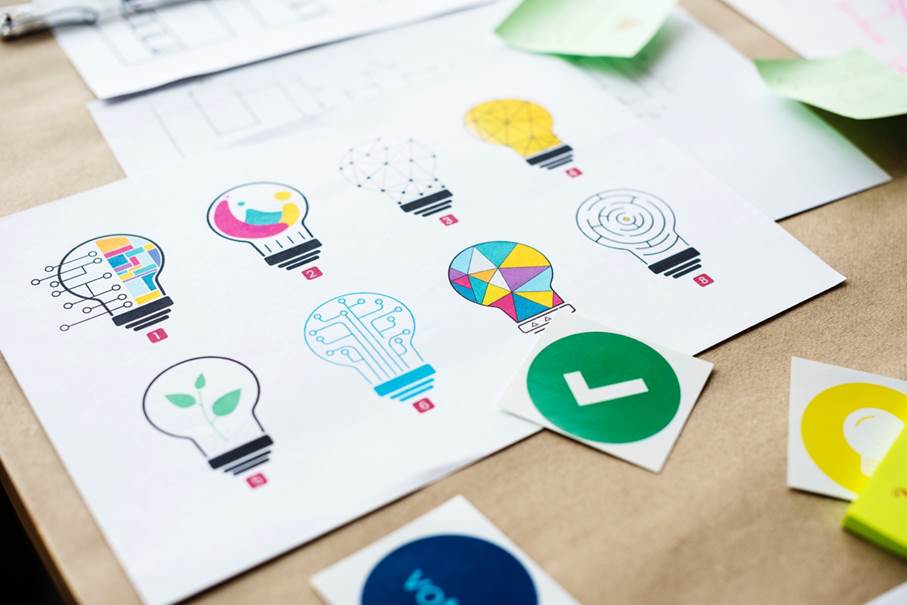
What is a Trademark?
A trademark is a name, logo, color, shape, sound, or other distinctive sign that distinguishes a business’s goods or services from those of others.
Why Register a Trademark?
A trademark is not just a name; it is an asset that carries reputation, trust, and value. If it is not registered, it can be used or stolen by someone else. Registration grants the legal right to use that trademark exclusively.
Trademark Registration Process
- Research: The TURKPATENT system is checked for similar trademarks.
- Application: Submitted online or through an agent.
- Examination and Publication: If approved, it is published in the Official Trademark Bulletin.
- Opposition Period: Third parties may file an opposition within two months of publication.
- Registration: If there are no objections or if the objection is rejected, the registration is completed.
The registration process usually takes 6-8 months. The protection period is 10 years and can be renewed every 10 years.
What Does Trademark Registration Protect?
• Trade names
• Logos
• Color/shape combinations
• Visual signs promoting services
However, it is only valid within the scope of the classes in which it is registered. For example, a trademark registered in the food sector may not be able to use the same name in the software sector.
3. Patent: Own Your Invention
What is a Patent?
A patent is a property right that allows the owner to use a technical invention exclusively for a certain period of time. This invention can be a product, method, device, or production process. Examples of patents include electric vacuum cleaners, digital cameras, and new-generation medical devices.
Conditions for Obtaining a Patent
- Novelty: It must not have been disclosed anywhere before.
- Inventive Step: It must create a technical difference that an expert in the field cannot easily predict.
- Industrial Applicability: It must be practically applicable.
Patent Process
- Preliminary research and application
- Formal examination
- Research and examination reports
- Publication process and objections
- Registration and documentation
The protection period for examined patents is 20 years, and for utility models, it is 10 years. Patent rights can be transferred, licensed, or inherited.
What does a patent protect, and what does it not protect?
• Protects: New machines, chemical formulas, production processes, technological methods.
• Does not protect: Scientific theories, aesthetic designs, business ideas, source codes of computer programs (these are covered by copyright).
When a registered intellectual property right is used without permission, the right holder can take legal action, such as filing a lawsuit, requesting that the use be stopped, or claiming compensation. Courts impose severe penalties in cases such as:
• Trademark counterfeiting
• Unauthorized copying of copyrighted material
• Unauthorized use of patents
. Additionally, some infringements may also constitute criminal offenses under criminal law.
Creating an idea is challenging, but failing to protect it can lead to even greater losses. Intellectual property rights such as copyright, trademarks, and patents provide not only legal protection but also a competitive advantage. Obtaining these protections can give you a competitive edge in the business world or creative industries.
If you have created an idea, product, or work of art, do not overlook it: protect your idea, because it could be your future.