


The Growing Importance of Data Security and Privacy in Digital Independence
Information and communication technologies have become an integral part of daily life, from education to business life. In order to use these technologies effectively, they need to be properly defined and their functionality understood. At the same time, the adoption of all information-related concepts and strategies allows individuals and organizations to make more efficient use of technology.
The proliferation of the internet has made it common to store personal data on digital devices. Private information ranging from bank account information to business files are stored on digital devices and shared online from time to time. However, this has also brought security risks. The increase in cyber-attacks reveals once again how important it is to protect personal and corporate data.
Personal Safety and the Importance of the Human Factor
Personal data security affects not only the security of the individual, but also the security of the organization they work for. Organizations allocate high budgets and implement various technological measures to ensure information security. However, no measure can guarantee data security one hundred percent. Therefore, increasing individuals’ awareness of digital security is an effective step in ensuring the security of not only their own information but also those around them.
Human behavior plays a critical role in information security as much as technology. Research shows that half of the factors affecting information security are human-induced. This reveals how important it is to increase the awareness of individuals to counter digital threats. The human factor is one of the most important elements supporting information security systems.
Threats
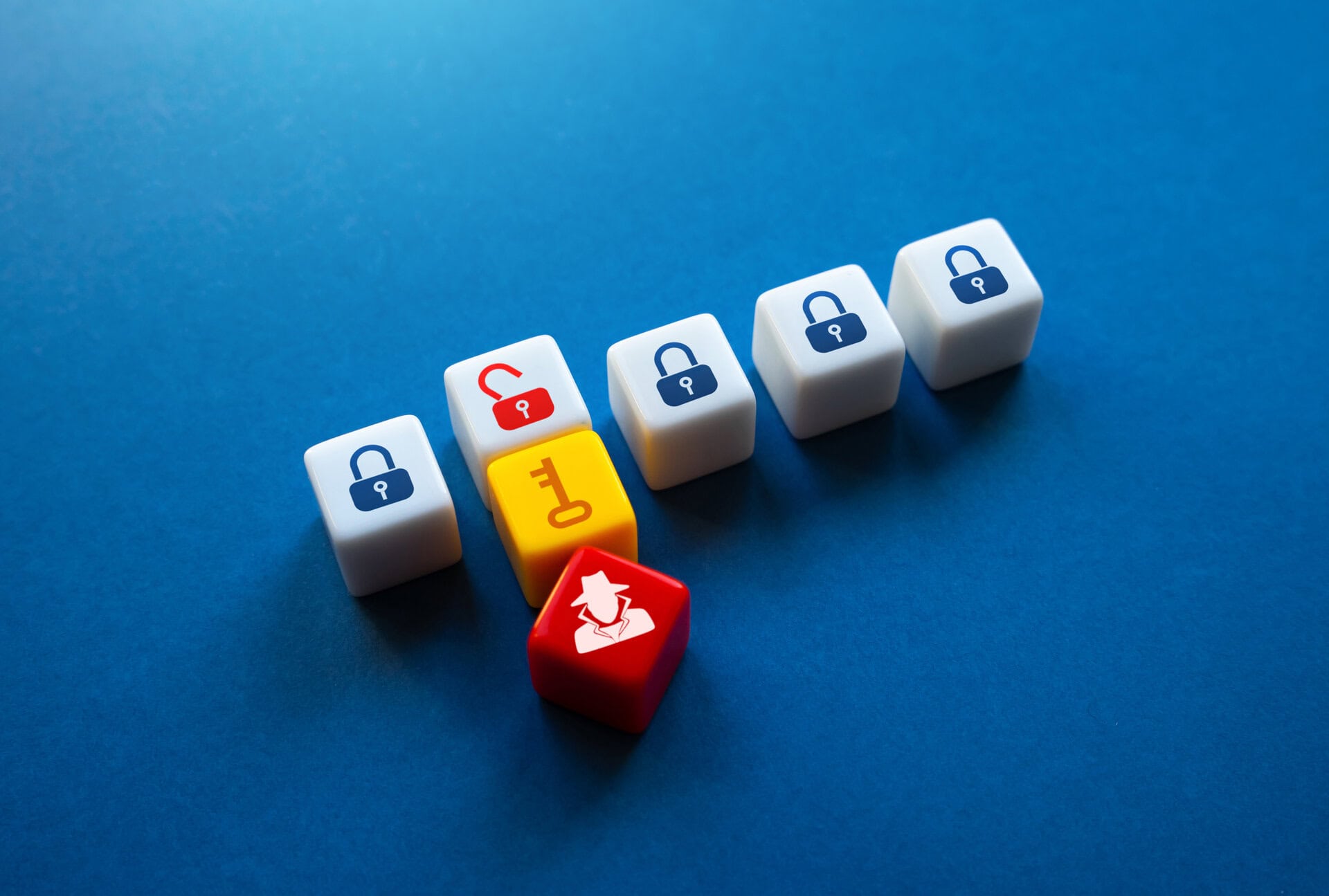
While advances in information technologies have brought many innovations and positive developments, they have also turned computer networks and systems into attack tools. This has led to the systems used becoming open targets.
A study conducted by Koç.net in Turkey in 2005 revealed that 65% of internet users do not use firewalls, 30% are not protected against spyware, 43% of web servers show security vulnerabilities and 22% of domain name servers have security vulnerabilities (Koç.net, 2005:5).
Factors that threaten personal data security include operating system vulnerabilities, vulnerabilities of user accounts, sharing and services, vulnerabilities in web browsers, viruses, trojans, spyware, spam, malware such as exploits and keyloggers, and cyber attackers.
Precautions
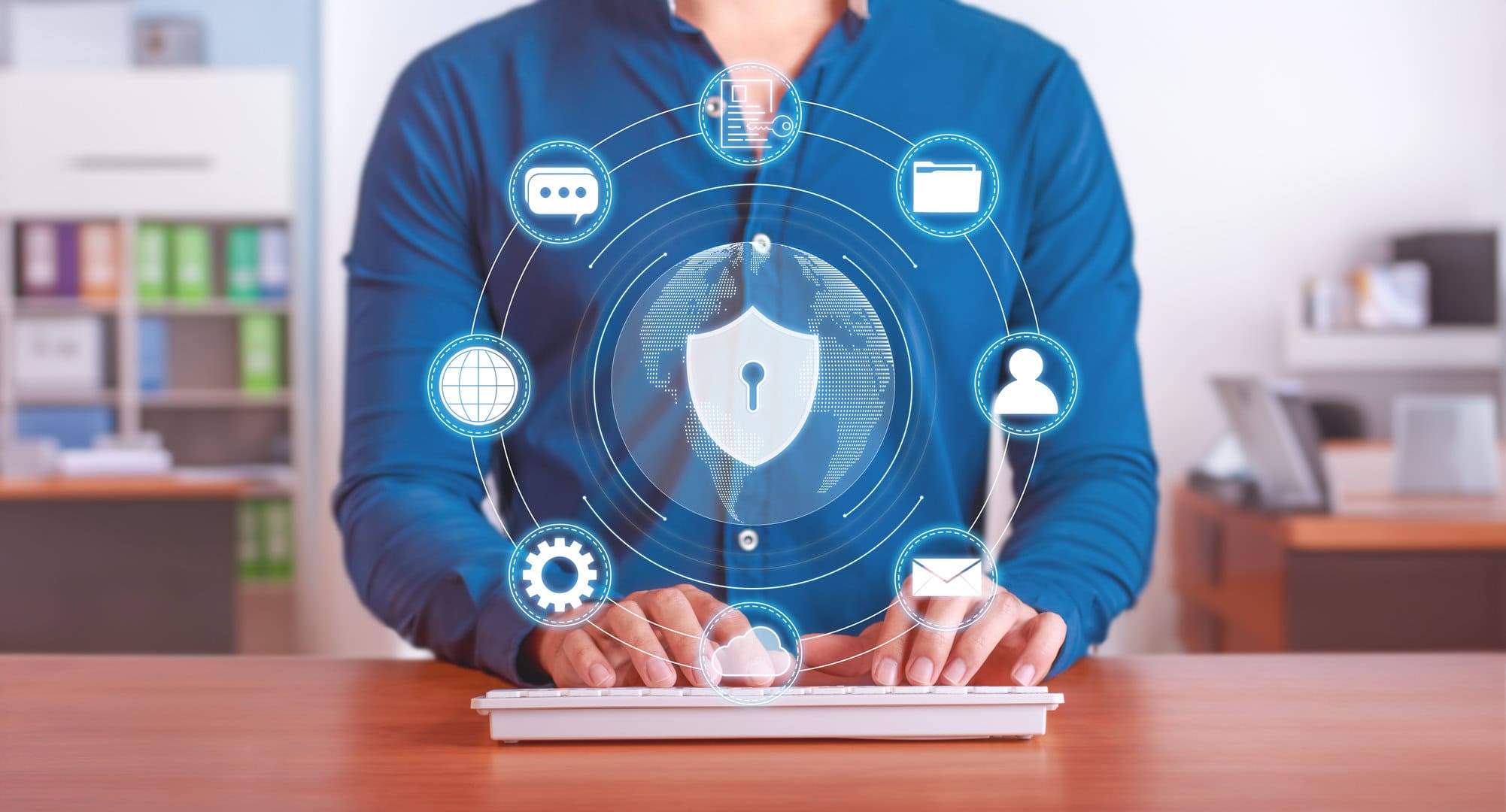
Device System Security: Whether a desktop computer or a portable device is used, a login password must first be set to ensure the security of such systems. In addition, system updates should be made regularly and the system should be kept up to date. It should be checked whether there are any folders or files open to sharing on the system and if any, these shares should be closed. Software of uncertain reliability should not be installed on the system. Ports for server services such as ftp and telnet should be kept closed.
Malware Security: Antivirus and anti-spyware programs should be used to protect against malicious software such as viruses, Trojans, spyware, spam and keyloggers, and these software should be updated regularly to provide effective protection against new threats. In addition, the security level of the operating system should be set at the highest level. The infection routes of malicious software that can infect the system over the Internet should be well learned by the users and malware detection programs should run continuously in the background.
Personal Firewall: The firewall, which controls the traffic on the computer, ensures that attackers and malware are blocked according to the rules set. This is an important step to increase the security of the system.
Access Security: Basic security principles such as privacy, reliability and usability should be considered when accessing the system. Users should use VPN (Virtual Private Network) to ensure access security and make sure that websites accessed over the internet have SSL-certified https protocols. File systems should also be encrypted and protected against unauthorized access. For wireless networks, WPA2 encryption level should be used, although passwords should be changed regularly. If the system is used by a child, parental controls should be implemented.
Social Networks Security: Users can share personal and critical information on social media platforms. If necessary security measures are not taken, these posts can be misused by malicious people and users can become potential targets. Users should never share sensitive data such as card information, insurance information, identity information, institutional information on social media sites.
Digital independence refers to the right of individuals and organizations to securely manage their personal data in today’s digital age. In this context, data security and privacy are becoming increasingly critical. As the internet permeates every aspect of our lives, the risk of misuse of personal data and exposure to cyber-attacks increases. Therefore, measures such as strong encryption methods, firewalls and regular software updates should be taken to ensure security in the digital world. At the same time, protecting users’ rights to control their data is one of the key elements of digital independence. In conclusion, the relationship between digital sovereignty and data security is an indispensable part of ensuring the security of individuals and organizations in the digital world and protecting their privacy.

